
Contemporary Art at the Ashmolean: our audiences’ perspective
4 Mar 2026|Gina Koutsika
- Research
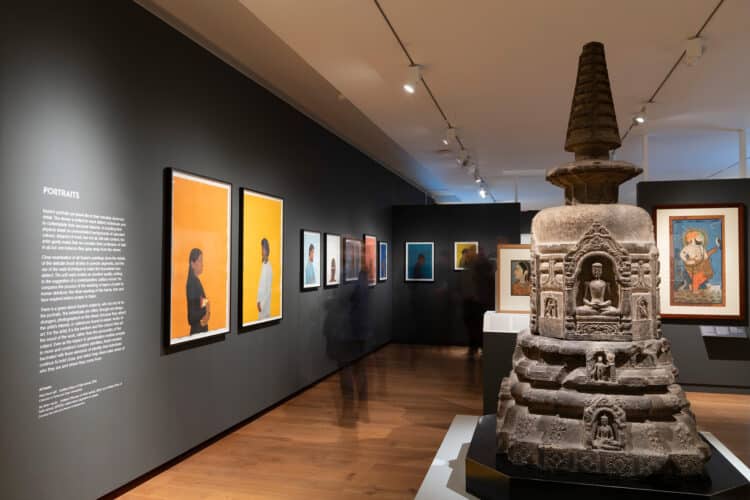
What role does contemporary art play in one of the world’s oldest university museums?
Our recent audience research makes the answer clear. Contemporary art strengthens the Ashmolean’s identity, deepens engagement with our historic collections, and creates meaningful opportunities for growth.
Interest is real, even if it is occasional
Historic periods remain the dominant preference among our visitors. Yet contemporary art holds a meaningful place in their interests. Nearly three in ten visitors name contemporary art as the period that most interests them. More than 90 percent say they attend contemporary exhibitions at least occasionally, and 67 percent have visited ticketed contemporary shows.
Contemporary art may not always be the primary reason for visiting, but it is firmly embedded in visitors’ cultural lives. It is associated with curiosity, exploration and discovery. In fact, the single strongest motivator for engaging with contemporary art at the Ashmolean is the opportunity to discover something new.
Visitors want to be surprised. They want to encounter ideas that shift their perspective. They want to see something they have not seen before.
What the Ashmolean is already doing
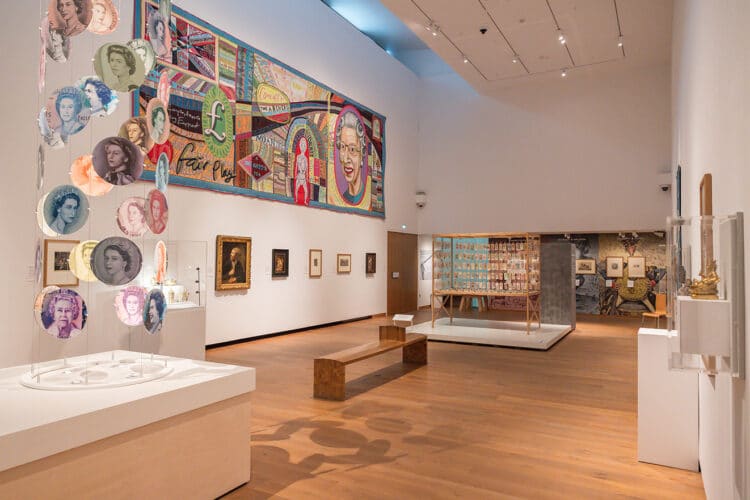
The Ashmolean has steadily embedded contemporary art within our wider programming. Ashmolean NOW in Gallery 8 presents a rolling programme of contemporary commissions and displays that respond directly to the museum’s historic collections. The Chinese Painting Gallery in Gallery 11 places contemporary works in dialogue with historic Chinese art, opening conversations across centuries and cultures. Gallery 33 also plays a key role, presenting contemporary art in conversation with global histories represented across the museum. Across Eastern Art and Antiquities displays, modern works are shown alongside historic textiles, historic objects and sculpture traditions, encouraging visitors to see both past and present through a new lens.
Major ticketed exhibitions such as Tokyo and Money Talks have blended contemporary and historic works in ambitious ways. Individual interventions, such as Angela Palmer’s Unwrapped displayed alongside the Egyptian mummy, demonstrate the power of thoughtful placement. Our research shows that this integrated approach resonates strongly, especially when the connections between works are clearly explained and easy to understand.
When past and present speak to each other
One finding stands out. Audiences are most interested in contemporary art when it connects directly to the collections.
More than half of visitors express interest in contemporary works that respond to or are inspired by historical objects. When contemporary pieces are displayed in conversation with older artefacts, visitors report deeper emotional engagement and renewed curiosity. Angela Palmer’s Unwrapped is a powerful example. Positioned beside the ancient mummified person, the artwork encouraged visitors to spend longer in the gallery, reflect more deeply and view the historic object with greater empathy.
Exhibitions that combine historic and contemporary works were widely praised for offering fresh perspectives through unexpected encounters. The message from audiences is clear. Contemporary art works best not as a break from history, but as a bridge to it.
What audiences want to see
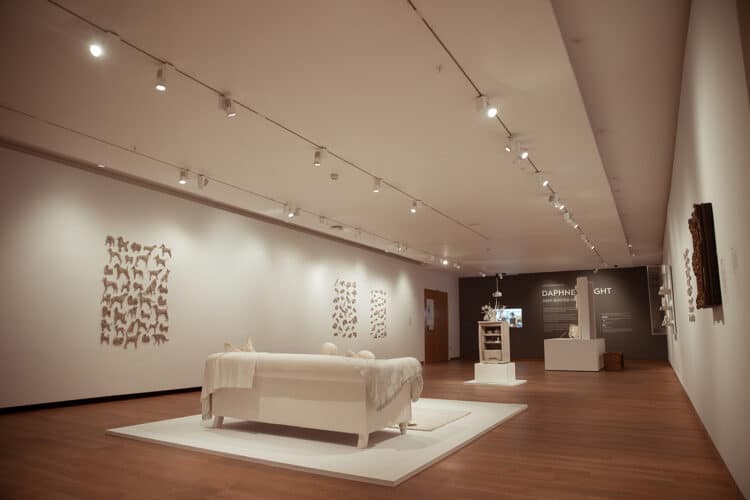
Painting, drawing and sculpture are the most popular contemporary art forms, followed by photography. Familiar mediums provide accessibility and emotional resonance. At the same time, visitors are drawn to ambitious themes such as identity, belonging, memory and power, particularly when these ideas connect historic and contemporary perspectives.
When it comes to artists, Ashmolean audiences tend to favour established and globally renowned names, reflecting a desire for trust and quality. However, there is also appetite for emerging voices, especially among younger and more curious visitors.
Interpretation matters deeply. In person guided tours and talks are among the strongest drivers of engagement. Visitors, across all segments, value clear framing, storytelling and expert insight to help them navigate unfamiliar or conceptual material.
Healthy demand and willingness to invest
There is strong appetite for both free and ticketed contemporary programming. Around half of Ashmolean audiences express interest in paid contemporary exhibitions, and many show interest in talks and events.
The vast majority of visitors who attend contemporary exhibitions are willing to travel up to two hours to see one. Reputation and trust in the Ashmolean’s quality encourage visitors to take chances on unfamiliar artists or themes. Most agree that contemporary exhibitions support artistic practice, create thought provoking connections and show the Ashmolean to be forward thinking.
A museum in conversation
The Ashmolean’s strength lies in its breadth and its ability to hold multiple histories, cultures and artistic traditions within one space. Contemporary art extends that conversation into the present.
When thoughtfully programmed and clearly communicated, contemporary practice activates our collections. It shows that even the oldest museum remains dynamic, a place where past and present meet, challenge one another and inspire visitors to look again.
This blog is based on audience research conducted by Sphere Insights in 2025, in close collaboration with Gina Koutsika, Xa Sturgis and Ashmolean colleagues engaged in contemporary art.
Category: Research
Author

Gina
Koutsika
Gina is Fellow by Special Election and Director of Audiences and Content at the Ashmolean Museum of Art and Archaeology.