
Graduate-Entry Medicine
undergraduates
This four-year course is open to graduates with a degree in an experimental science subject. The first two years focus on core medical sciences, integrated with clinical teaching and placements in both primary and secondary care settings.
From Year 3 onwards, students are fully integrated into the standard six-year Medicine course, undertaking rotations across a wide range of clinical specialties and preparing for Foundation Year training. Graduates receive the BM BCh degree and are eligible to apply for registration with the General Medical Council (GMC).
- Why Graduate-Entry Medicine at St Edmund Hall?
- Funding
- Research Opportunities
- Prospects
- Course Requirements
Graduate-Entry Medicine students at St Edmund Hall benefit from the expertise of a wide range of Fellows and lecturers, who provide small-group, college-based tutorials that complement faculty teaching.
Tutorial teaching draws on a breadth of academic interests, including primary care, infectious disease, behavioural neuroscience, renal physiology and anatomy. Some Fellows are engaged in clinically based research, while others focus on laboratory-based work, offering students exposure to diverse approaches within medical science. Teaching is further enriched by contributions from resident doctors, many of whom work in local hospitals.
The College places a strong emphasis on wellbeing, ensuring that students feel supported both academically and personally throughout the demands of the course.
Students join a lively and supportive Medical Sciences community at Teddy Hall, alongside those studying the six-year Medicine programme, and Biomedical Sciences undergraduates. The college also has a number of students studying for postgraduate degrees within the Medical Sciences Division.
Regular college medical sciences events, including talks, presentations and social gatherings, are organised by and for students. The College Library provides an up-to-date collection of medical texts to support study. The College is also home to the St Edmund Hall Centre for the Creative Brain, which organises events with guest speakers, who discuss cutting-edge research in neuroscience and look at how insights from other fields – including art, music, literature and philosophy – can further enhance our understanding of the brain.
A range of bursaries is available to support Graduate-Entry Medicine students. These include an equipment grant for the purchase of a stethoscope and financial support during the elective period, helping to cover travel expenses and accommodation costs.
The College also offers a wide range of other scholarships, awards and prizes, as well as College Grants which are available to all students to help with academic-related costs. Find out more here.
Graduate Entry Students have the opportunity to pursue research interests through the Academic Special Interest programme in Years 1 and 2, as well as through Special Study Modules in the later years of the course.
With a wide range of Fellows engaged in active research, students benefit from valuable opportunities to connect with academics working in areas aligned with their interests.
Videos
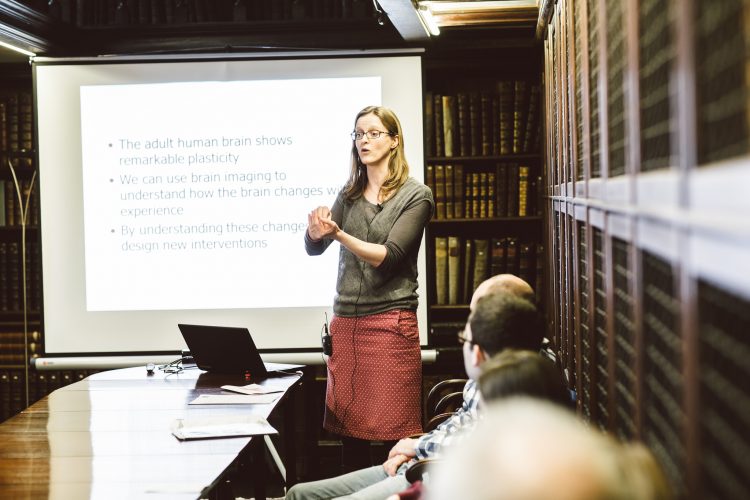
Find out more about the research interests of some of our academics by watching these short talks, given at the College's Research Expos and aimed at a non-specialist audience.

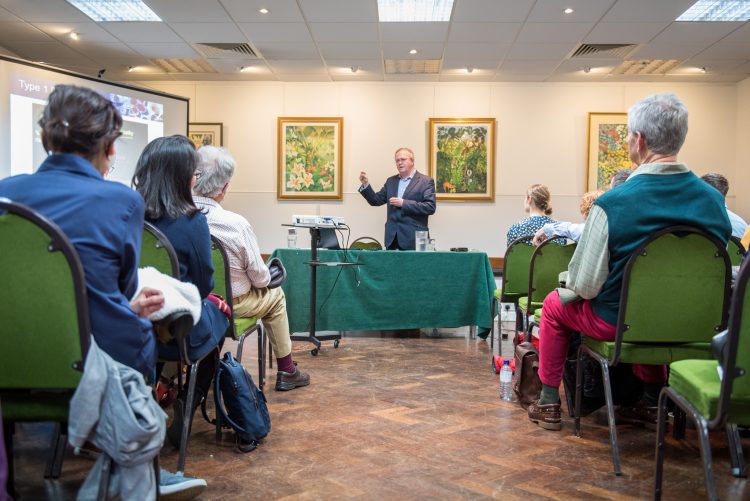
Prof. Paul Johnson
Pancreatic Islet Transplantation for Type 1 Diabetes – Bench to Bedside

Most graduates enter the UK Foundation Programme following qualification. From there, a wide range of specialty training pathways is available, including General Practice, Emergency Medicine, Obstetrics and Gynaecology, Ophthalmology, Paediatrics and Psychiatry.
Many graduates combine clinical practice with interests in research, education or leadership. While the majority remain in clinical roles, some pursue careers in areas such as academia or the pharmaceutical industry. The programme offers ongoing career guidance and opportunities for students to discuss their aspirations with faculty members.
Requirements to study Graduate-Entry Medicine at St Edmund Hall are identical to those listed in the main University Prospectus. Applicants should have a 2.1 degree or above in applied and experimental science, as well as passes at A-Level of at least AAB with an A or A* in Chemistry (if you have taken A-Levels within the last 5 years). One of these subjects must be Chemistry.
Applicants must also have one from Biology, Physics or Mathematics at A-Level. Applicants with a degree in a subject other than bioscience must also have a qualification in Biology at GCSE or equivalent level.
Our Tutors
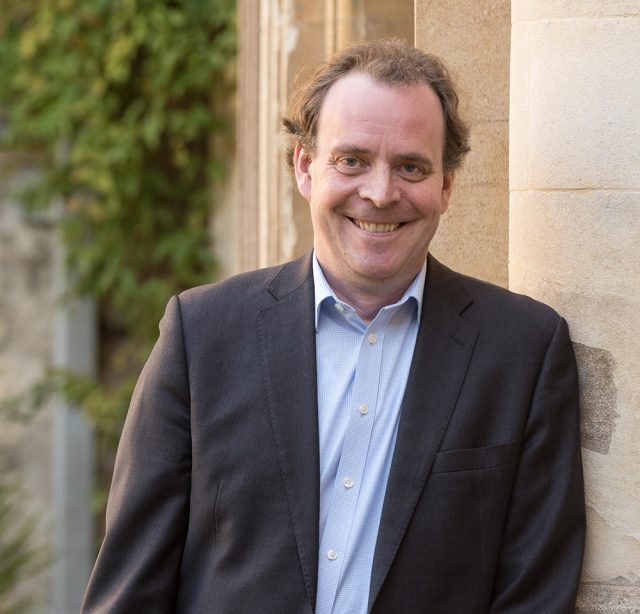
David
McCartney
Fellow by Special Election in Clinical Medicine
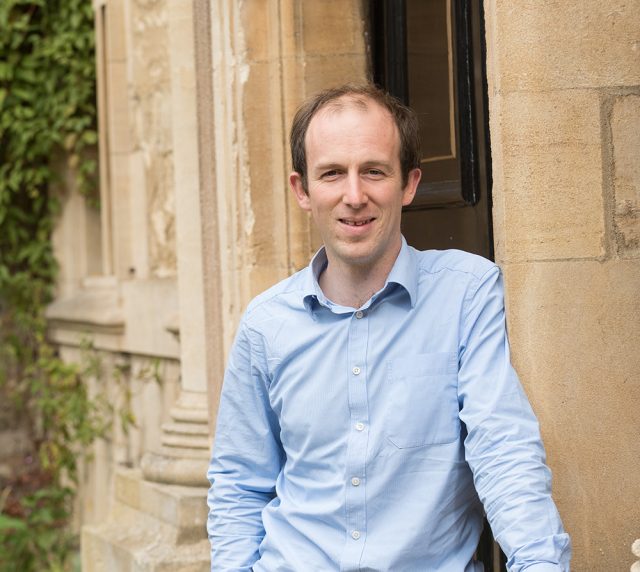
Dr David McCartney is Director of Graduate Entry Medicine in the Medical Sciences Division and Fellow by Special Election at St Edmund Hall
Robert
Wilkins
American Fellow and Tutor in Physiology
Undergraduate teaching at the Hall is led by our Tutorial Fellow, Professor Robert Wilkins, who is also Tutor for Admissions. He provides tutorial teaching in cellular and systems physiology and his research is in the field of cellular dysfunction and disease. Professor Wilkins is also Director of the Biomedical Sciences course in the Medical Sciences Division.

David
Dupret
Professor of Neuroscience
Professor David Dupret is a neuroscientist who delivers the systems neuroscience component of the course. The primary aim of his research programme is to understand how neuronal activity in the hippocampal circuit contributes to the acquisition, consolidation and recall of memory traces.

Paul
Johnson
Professor of Paediatric Surgery and Fellow by Special Election
Mr Paul Johnson is Professor of Paediatric Surgery and Fellow of St Edmund Hall at the University of Oxford, and Consultant Paediatric Surgeon at the John Radcliffe Hospital in Oxford. He has a particular interest in the field of Islet Transplantation for reversing type 1 Diabetes, and is Director of the Islet Transplant Programme in Oxford.
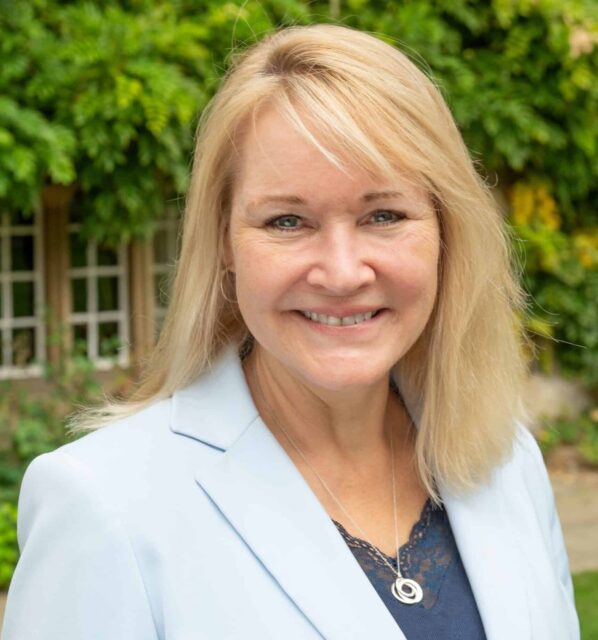
Sue
Pavord
Associate Senior Lecturer in Clinical Medicine
Dr Sue Pavord is Consultant Haematologist at Oxford University Hospitals and Associate Senior Lecturer in Clinical Medicine at St Edmund Hall. Her clinical and academic expertise spans the full breadth of medical haematology, with particular interests in obstetric haematology, anaemia and iron management, haemostasis and thrombosis, immunohaematology, and transfusion medicine.
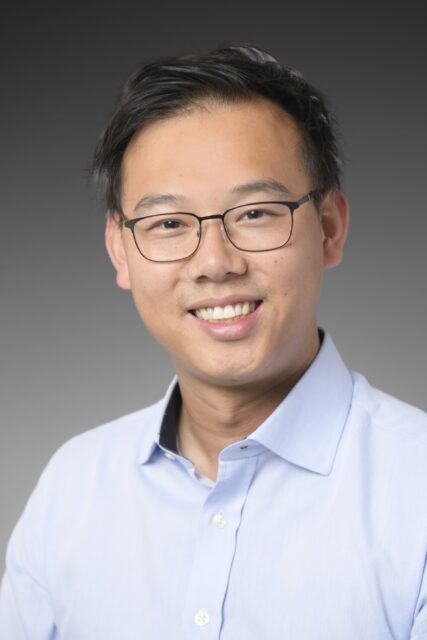
Bob
Yang
Associate Lecturer in Medicine
Bob Yang is an Associate Lecturer in Medicine at St Edmund Hall, specialising in surgical teaching.

Andrew
McCallum
Clinical Tutor in Medicine
Dr Andrew McCallum is a Consultant Physician in Infectious Diseases and Acute General Medicine at Oxford University Hospitals. He completed his undergraduate training in Edinburgh, and postgraduate training in the UK (Edinburgh, Liverpool, London) and overseas (South Africa, Malawi). He is a Clinical Tutor in Medicine at St Edmund Hall.