
Earth Sciences (Geology)
visiting students
Studying Earth Sciences as a Visiting Student at Oxford means being based at one of the leading centres of geological research in the world. Our Department topped the UK University ranking for research quality in the 2014 Research Excellent Framework, and whilst here you will receive tuition from experts in your chosen subjects.
Programme information

The emphasis of both the teaching and research within this subject is on understanding the fundamental principles of geological processes. Theory, measurements, experiments, and observation of natural processes are all essential elements in the Earth Sciences.
Successful applicants will have a strong background in mathematics and at least some aspects of the physical sciences.
Please note that all courses are only offered in a single term. The terms for each course can be found below.
Visiting Students are invited to select courses from within the existing undergraduate degree programme. The first two years of the Earth Sciences undergraduate course aim at providing a sound foundation across the subject. Subsequently, students are able to start to specialise, with a choice of options that take topics to a much greater depth. Full details of the courses are available on the Department website. Most Visiting Students will take courses within the ‘First Year’ and ‘Second Year’ sections on the Department’s course page.
The exact content of your courses will be decided in consultation with your tutor at St Edmund Hall and may depend on your existing academic strengths, what teaching resources are available at the time, and which term of study you intend being in Oxford.
First-Year Courses
- Planet Earth (Geosphere)
- Fundamentals of Geology I (Minerals)
- Fundamentals of Geology II (Structural Geology and Maps)
- Physics, Chemistry & Biology for Earth Sciences (Chemistry and Physics (Mechanics))
- Mathematics and Scientific Computing (Calculus)
- Mathematics and Scientific Computing (Statistics)
Second-Year Courses
- Earthquakes Seismology and Active Tectonics
- Geophysical Methods
- Stable Isotopes
- Carbon Cycle
- Thermodynamics
Third-Year Courses
- Natural Resources and the Energy Transition
- Biological and Physical Oceanography
- Vector Calculus and Continuum Mechanics
- Plate Tectonics
- Analytical Methods
First-Year Courses
- Planet Earth (Modern Climate Processes)
- Fundamentals of Geology I (Surface processes and Invertebrate Palaeobiology)
- Fundamentals of Geology II (Structural Geology and Maps)
- Physics, Chemistry & Biology for Earth Sciences (Aqueous Chemistry and Physics (Thermodynamics))
Second-Year Courses
- Structural Geology and Map Interpretation
- Remote Sensing
- Metamorphic Petrology
- Radiogenic Isotopes
- Sedimentary Basins
- Climate Change
- Sediments: Generation and Diagenesis
Third-Year Courses
- Biogeochemistry of Earth’s Surface
- Volcanology, Igneous Processes and Petrogenesis
- Quantitative Palaeobiology
- Chemistry of Earth’s Interior
- Geophysics of the Deep Earth
First-Year Courses
- Planet Earth (Building a Habitable Planet)
- Physics, Chemistry & Biology for Earth Sciences (Biology)
Second-Year Courses
- Evolution
- Stratigraphy and Environments
- Planetary Materials and Meteorites
Our Tutors
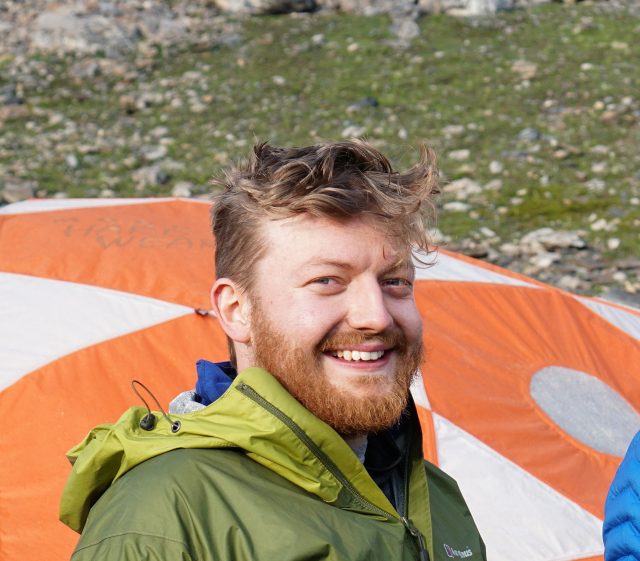
Luke
Parry
Tutorial Fellow in Earth Sciences
Luke Parry is a Tutorial Fellow in Earth Sciences and Governing Body Fellow at Edmund Hall.
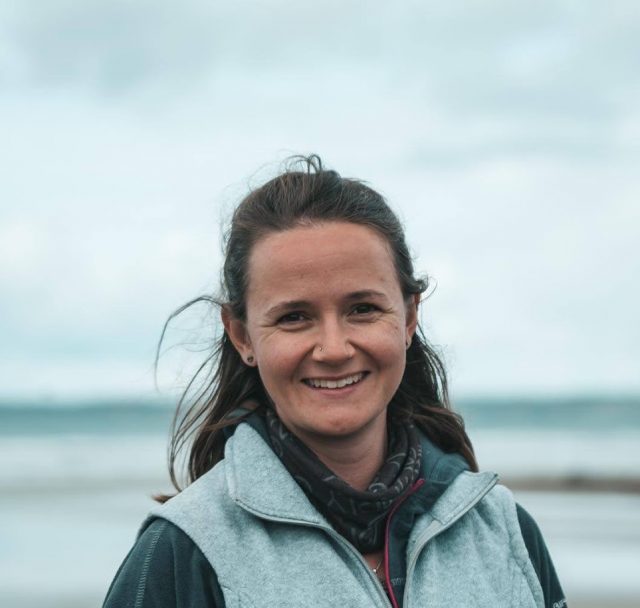
Claire
Nichols
Associate Professor and Tutorial Fellow in Earth Sciences
Claire joined the Department of Earth Sciences in Oxford in the summer of 2020 and became a Tutorial Fellow at Teddy Hall at the end of 2021.
Visiting Students
More information about becoming a Visiting Student at St Edmund Hall – including finance, accommodation and how to apply